Beyond the Glass: Unpacking the Risks of Non-Genuine iPhone Screen Replacements
A cracked iPhone screen is more than just an aesthetic imperfection; it's a gateway to potential functional compromises. When faced with the cost of an official repair, many users are tempted by seemingly cheaper third-party alternatives. While these options might restore a display to a functional state, the decision to opt for non-genuine parts often comes with a series of hidden drawbacks that can diminish your iPhone's performance, security, and longevity.
Editor's pick: iPhone screen protectors on Amazon → As an Amazon Associate, this site earns from qualifying purchases.
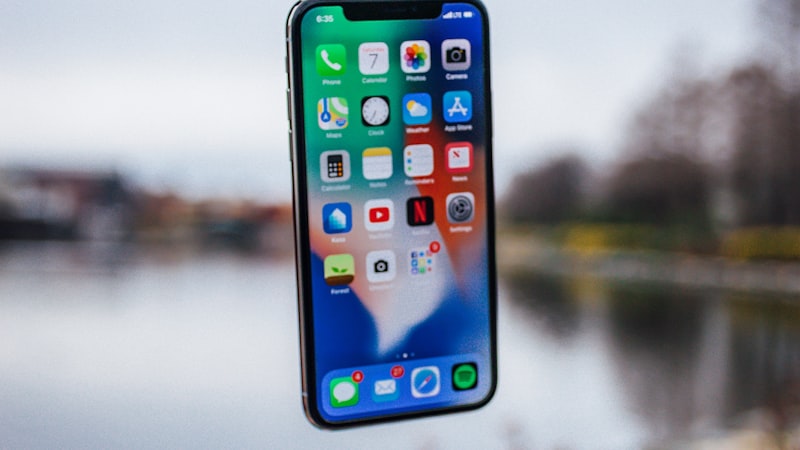
The display is the primary interface with your iPhone, a complex component integrated deeply into the device's ecosystem. Apple designs its displays and surrounding sensors to work in precise harmony, a symphony that can be disrupted when unauthorized components are introduced. Understanding these potential issues is crucial for any iPhone owner weighing their repair options.
The Intricacies of a Genuine iPhone Display
An original iPhone display isn't merely a panel of glass and pixels. It’s a meticulously engineered assembly that includes the touch-sensitive digitizer, the OLED or LCD panel itself, and an array of critical sensors, all calibrated to exacting standards. This integration ensures features like True Tone, ambient light sensing, and the functionality of Face ID operate as intended. When an authorized Apple service provider or an independent repair shop using genuine Apple parts replaces a screen, they use specialized diagnostic tools to pair the new display with your iPhone’s logic board, restoring full functionality and maintaining device integrity.
Compromised Display Functionality
One of the most immediate and noticeable impacts of a non-genuine screen replacement is often on display-specific features:
- True Tone Malfunction: Apple's True Tone technology automatically adjusts the display's white balance to match the ambient light in your environment, making images appear more natural and reducing eye strain. Non-genuine screens often lack the necessary hardware or calibration to communicate correctly with the iPhone’s ambient light sensors, leading to True Tone being disabled or functioning incorrectly. This can result in a display that appears overly warm or cool, regardless of your surroundings.
- Inconsistent Brightness and Color Accuracy: Aftermarket screens frequently fail to match the peak brightness, contrast ratios, and color accuracy of genuine Apple displays. Users might experience washed-out colors, overly saturated hues, or a display that struggles to achieve adequate brightness, particularly in direct sunlight. As we explored in our guide on iPhone display calibration at iPhone View, precise color reproduction is vital for an optimal viewing experience, and non-genuine parts rarely meet this standard.
- Reduced Touch Responsiveness: The digitizer, responsible for registering your touch input, can also be affected. Non-genuine digitizers may lead to ghost touches, unresponsive areas, or a general lag in touch input, severely impacting the user experience.
Hardware Integration and Security Risks
Beyond the display itself, the use of non-genuine parts can cascade into issues with other critical iPhone components:
- Face ID Failure: The TrueDepth camera system, which powers Face ID, is incredibly sensitive and precisely aligned. During screen replacement, components related to Face ID can be damaged or improperly transferred, leading to the permanent loss of Face ID functionality. This is a significant security compromise, forcing users to revert to passcodes for unlocking and authentication.
- Compromised Water and Dust Resistance: iPhones are designed with intricate seals and adhesives to achieve their IP water and dust resistance ratings. Third-party repairs often use inferior seals or improper application techniques, effectively voiding the device's resistance. This leaves your iPhone vulnerable to liquid damage, an expensive repair that far outweighs the initial savings on a screen.
- Battery Drain: Some aftermarket displays are less power-efficient than genuine Apple components, leading to increased battery consumption. This can manifest as a noticeable reduction in your iPhone’s battery life, negating the device's designed endurance.
Software Compatibility and Resale Value
Apple's software is designed to work seamlessly with its hardware. When non-genuine components are detected, the iOS operating system may display "Important Display Message" warnings, indicating that the iPhone cannot verify a genuine Apple display. While these messages don't always prevent the phone from functioning, they serve as a constant reminder of the non-original part and can signal potential issues to future buyers.
"The initial savings on a non-genuine screen replacement can be quickly overshadowed by the cumulative costs of diminished functionality, security risks, and reduced resale value."
Furthermore, a device with non-genuine parts can significantly depreciate its resale or trade-in value. Many reputable refurbishment programs and trade-in services will either refuse devices with non-genuine components or offer substantially less for them.
Making an Informed Decision
The choice between an authorized repair and a third-party option often boils down to cost. For newer iPhones, especially those still under warranty or AppleCare+, opting for an official repair is almost always the prudent decision to preserve functionality, security, and warranty coverage. For older iPhones where the cost of an official repair might approach the device's value, a third-party repair might seem more appealing. However, even then, it's essential to be fully aware of the trade-offs.
Before committing to any repair, inquire about the origin of the parts, the warranty offered by the repairer, and their expertise in handling sensitive iPhone components. A truly informed decision means weighing the immediate financial saving against the potential for long-term frustration, compromised performance, and diminished device integrity.