Liquid Screen Protectors for iPhone: Invisible Shield or Unproven Gimmick?
The Allure of the Invisible Shield
In the quest to safeguard our iPhone displays, a myriad of solutions has emerged, from robust tempered glass to flexible film protectors. Yet, a less conventional option often surfaces in discussions: the liquid screen protector. Promising an invisible, bubble-free layer of protection without altering the iPhone's aesthetic or touch sensitivity, these nanotechnology-based coatings present a compelling, albeit often debated, alternative. For many iPhone users, the idea of an undetectable shield against scratches and damage is highly appealing, circumventing the common application frustrations associated with traditional protectors.
Editor's pick: iPhone screen protectors on Amazon → As an Amazon Associate, this site earns from qualifying purchases.
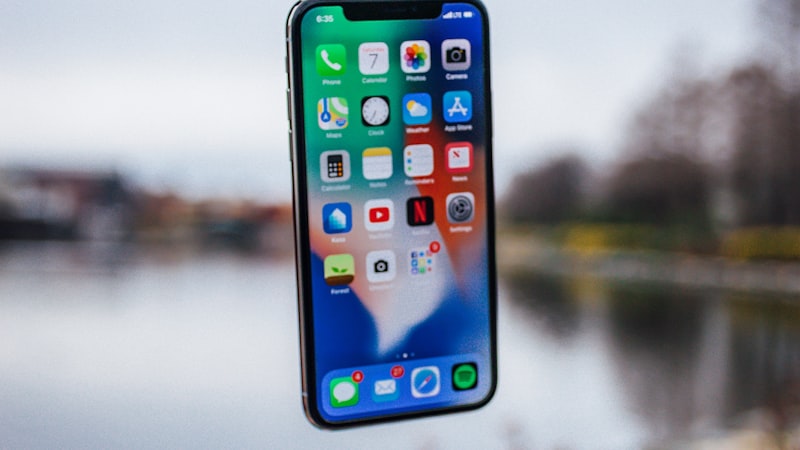
However, the efficacy of liquid screen protectors compared to their physical counterparts remains a subject of considerable scrutiny. As professional tech journalists for iPhone View, our aim is to cut through the marketing claims and provide a clear, analytical perspective on whether these innovative coatings genuinely deliver on their promises for iPhone display protection.
Understanding the Science Behind Liquid Protectors
Liquid screen protectors typically consist of a silica-based liquid solution that, when applied to a smartphone screen, is designed to cure into an ultra-thin, invisible layer of glass. Manufacturers claim this layer leverages nanotechnology to fill the microscopic pores and imperfections on the glass surface, thereby increasing its hardness and resistance to scratches. The core component, silicon dioxide (SiO2), is essentially glass in liquid form. When it dries, it's meant to form a covalent bond with the existing glass, creating an enhanced, more resilient surface.
The theoretical benefit is an upgrade to the display's native scratch resistance, often marketed with claims of 9H hardness on the Mohs scale, similar to some tempered glass protectors. The application process is straightforward: a few drops are applied and buffed into the screen, then allowed to cure. This simplicity, combined with the promise of preserving the original screen's look and feel, is a significant part of their market appeal.
Reality Check: Scratch Resistance vs. Impact Protection
While the concept of strengthening the existing glass surface through nanotechnology holds some scientific merit for scratch resistance, the real-world performance, particularly concerning impact protection, is where liquid screen protectors often fall short. Standard glass screens have microscopic pores; filling these can indeed make the surface smoother and marginally more resistant to superficial scratches from everyday items like keys or coins.
However, the primary concern for most iPhone users is not just minor scratches but catastrophic display damage from drops. Traditional tempered glass protectors work by absorbing the impact energy and often cracking themselves, sacrificing their own integrity to protect the phone's display underneath. They add a physical layer that dissipates force. Liquid protectors, being merely an enhancement to the existing glass, do not add significant bulk or a separate sacrificial layer. They cannot absorb and distribute impact force in the same way a physical sheet of glass can. Therefore, for drops, their ability to prevent shattering is minimal to non-existent.
Many independent tests and consumer experiences suggest that while liquid protectors might offer a slight increase in scratch resistance, they provide negligible protection against the impacts that typically lead to cracked iPhone screens.
Advantages and Disadvantages for iPhone Users
Advantages:
- Invisible Application: No visible layer, no change to the iPhone's aesthetics or thickness.
- Bubble-Free: Since it's a liquid, there are no air bubbles to contend with during application.
- Universal Fit: Compatible with any iPhone model, regardless of screen size or curvature.
- Maintains Touch Sensitivity: No barrier between your finger and the display, preserving the original touch experience.
Disadvantages:
- Unverifiable Protection: Unlike physical protectors, there's no visible layer to demonstrate its presence or effectiveness. You simply have to trust the claims.
- Limited Impact Protection: Offers minimal to no protection against drops and shattering, which is a primary concern for most users.
- No Replaceable Layer: Once applied, it cannot be easily removed or replaced if damaged, unlike a tempered glass protector. If the liquid layer degrades or gets scratched, the only solution is to reapply, potentially after extensive cleaning.
- Potential for Warranty Concerns: While generally harmless, some users worry about applying third-party substances to their device, though direct damage is rare.
- Cost vs. Benefit: Often priced similarly to, or even higher than, quality tempered glass protectors, without offering comparable impact defense.
The Verdict: A Niche, Not a Replacement
For iPhone users prioritizing comprehensive display protection, traditional tempered glass screen protectors remain the gold standard. They offer a tangible, verifiable, and replaceable layer of defense against both scratches and, crucially, impacts. As we've detailed in our analysis of various screen protector types, the physical barrier provided by tempered glass is unmatched for absorbing shock and preventing costly display repairs. A high-quality tempered glass protector will often crack in place of your iPhone screen, a clear indication that it has done its job.
Liquid screen protectors, while intriguing in their technological approach, are best suited for a very specific niche: users who are extremely careful with their devices, rarely drop them, and prioritize an absolutely unaltered visual and tactile experience above all else. For these users, the slight boost in everyday scratch resistance might be a welcome addition.
However, for the vast majority of iPhone owners seeking robust protection against the everyday hazards of drops and impacts, liquid screen protectors are not a viable alternative. The peace of mind and proven protective capabilities offered by a quality tempered glass protector far outweigh the aesthetic advantages of an invisible, yet largely unproven, liquid coating. When it comes to safeguarding your valuable iPhone display, a visible, reliable shield is ultimately a more pragmatic choice than an invisible promise.