Beyond Protection: How Screen Protector Materials Influence iPhone Display Optics and Touch
The Unseen Layer: How Your Screen Protector Changes Your iPhone's Display
For many iPhone users, a screen protector is as essential as the device itself. It's the first line of defense against scratches, drops, and daily wear, safeguarding the vibrant display that serves as our primary interface. However, the choice of screen protector goes far beyond mere impact resistance. The material and design of this thin, often overlooked layer profoundly influence your iPhone's optical performance and touch responsiveness, subtly altering how you perceive and interact with your device.
Editor's pick: iPhone screen protectors on Amazon → As an Amazon Associate, this site earns from qualifying purchases.
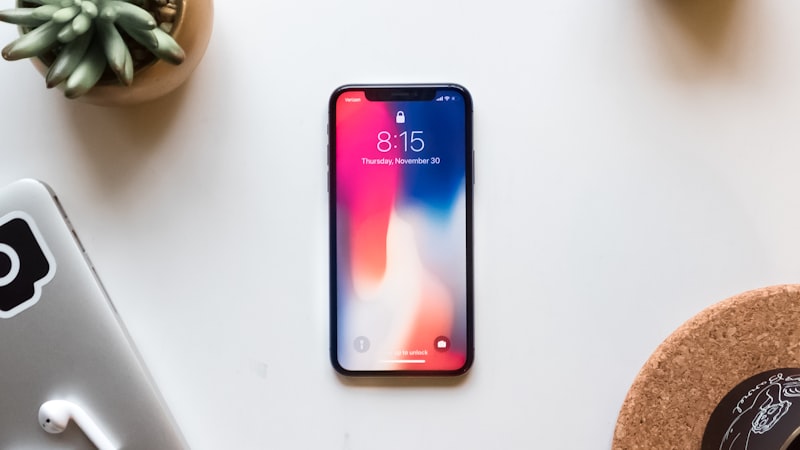
Understanding these nuances is crucial for making an informed decision that aligns with your priorities, whether that's pristine visual clarity, smooth touch interaction, or maximum glare reduction.
The Optical Conundrum: Light Transmission and Color Fidelity
At its core, any material placed over a display will, to some extent, affect how light from the screen reaches your eyes. The ideal screen protector would be perfectly transparent, allowing 100% light transmission without introducing any distortion or color shift. In reality, every material presents a slight compromise.
Tempered Glass Protectors
Tempered glass remains the gold standard for optical clarity. High-quality glass protectors boast light transmittance rates upwards of 90-95%, meaning only a small percentage of light is lost. Modern manufacturing techniques minimize refraction and internal reflections, preserving the iPhone's renowned color accuracy and sharpness. However, even premium glass can introduce a nearly imperceptible layer that slightly alters the display's native contrast or peak brightness. Some advanced glass protectors incorporate anti-reflective coatings, mirroring the technology found on the iPhone's display itself, to further reduce external reflections and enhance clarity in bright environments.
Film-Based Protectors (PET and TPU)
Polyethylene terephthalate (PET) film protectors are thinner and more flexible than glass, often making them less noticeable initially. While they offer decent clarity, some PET films can introduce a very subtle haziness or a slight blue/yellow tint, particularly noticeable against white backgrounds. Thermoplastic polyurethane (TPU) or hydrogel films, known for their self-healing properties and superior impact absorption, can sometimes exhibit a 'rubbery' or 'orange peel' texture. This surface characteristic, while providing flexibility, can subtly diffuse light, leading to a minor reduction in perceived sharpness and color vibrancy compared to high-grade tempered glass.
Matte (Anti-Glare) Protectors
Matte screen protectors are specifically designed to combat reflections by scattering ambient light rather than allowing it to reflect directly. This anti-glare property is achieved through a microscopically textured surface. While highly effective at reducing reflections and making the screen more readable in bright conditions, this texture inevitably introduces a slight diffusion of the light emitted by the display itself. This can manifest as a subtle graininess or a reduction in the crispness of text and images, leading to a perceived desaturation of colors. It's a deliberate trade-off: improved outdoor visibility at the cost of some optical fidelity.
Touch Sensitivity and Responsiveness: The Invisible Barrier
The iPhone's capacitive touch screen is engineered for incredibly precise and responsive interaction. Adding any layer on top introduces a potential variable. While most quality screen protectors are designed to be thin enough to not interfere with the electrical field of the display, subtle differences can be felt.
Material and Thickness
Thicker tempered glass protectors, while offering robust protection, can sometimes create a minimal distance between your finger and the display, which might subtly alter the perceived 'snappiness' of touch. Film protectors, being thinner, generally have less impact on raw sensitivity. However, the surface friction of the material plays a significant role. Glass, especially with a good oleophobic coating, allows for a smooth, natural finger glide that closely mimics the iPhone's original screen. TPU films, by contrast, can sometimes feel 'stickier' or have more drag, which can be noticeable during rapid swiping or detailed gesture input. The quality of the oleophobic coating on any protector is paramount for maintaining a smooth tactile experience and resisting fingerprint smudges.
Haptic Touch Interactions
iPhone's Haptic Touch relies on precise timing and pressure sensitivity to provide tactile feedback. While a screen protector doesn't block the haptic engine, its presence can subtly change the perceived 'feel' of the vibration. A thicker protector might damp the haptic feedback slightly, making it feel less direct. As we've explored in our analysis of fine-tuning Haptic Touch for iPhone display responsiveness, even minor external factors can influence this nuanced interaction.
Making an Informed Choice
Selecting the right screen protector involves weighing your priorities against these optical and tactile trade-offs. If preserving the iPhone's native display clarity, color vibrancy, and original touch feel is paramount, a high-quality, thin tempered glass protector with an excellent oleophobic coating is likely your best bet. If you frequently use your iPhone outdoors or under harsh artificial lights and struggle with reflections, a matte protector might offer a superior viewing experience despite the minor optical compromises. For those prioritizing extreme impact absorption and a self-healing surface, a TPU film could be suitable, provided you are aware of its unique tactile properties.
Ultimately, a screen protector is not just an accessory; it's an extension of your iPhone's display. By understanding how different materials interact with light and touch, you can choose a protector that not only shields your device but also enhances, rather than detracts from, your overall iPhone experience.