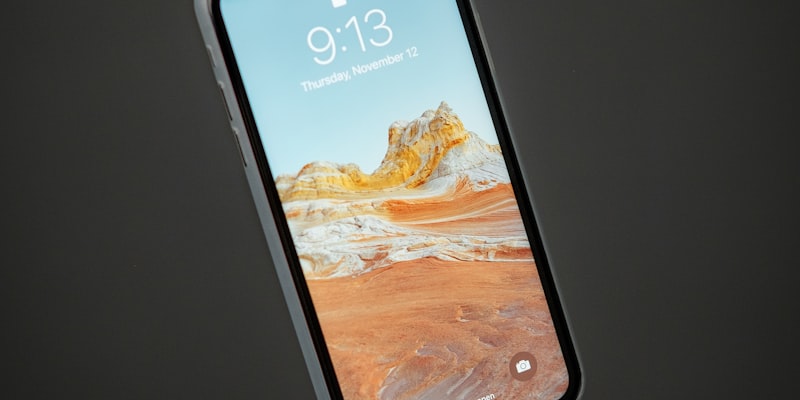
When Steve Jobs unveiled the original iPhone in January 2007, its 3.5-inch LCD screen was unlike anything the mobile industry had seen. At 320 by 480 pixels and 163 pixels per inch, the display was not remarkable by the numbers alone. What set it apart was that it was a capacitive touchscreen designed as the entire interface -- no physical keyboard, no stylus. The display was the product. Nearly two decades later, that foundational idea still drives Apple's approach to iPhone screens, but the technology behind it has changed almost beyond recognition.
The Retina Breakthrough
The first major leap came in 2010 with the iPhone 4 and the introduction of the Retina display. By doubling pixel density to 326 ppi, Apple reached a threshold where individual pixels became indistinguishable to the human eye at typical viewing distances. Text appeared sharper, photographs gained clarity, and the gap between on-screen content and printed material narrowed significantly. The Retina branding proved so effective that it became the baseline expectation for every smartphone that followed. Competitors scrambled to match and exceed that density, but the term itself became synonymous with Apple's commitment to visual fidelity.
For six years after Retina, Apple iterated on its LCD panels steadily. Screen sizes grew from 3.5 inches to 4 inches with the iPhone 5 in 2012, then jumped to 4.7 and 5.5 inches with the iPhone 6 and 6 Plus in 2014. Colour gamut expanded from sRGB to the wider DCI-P3 standard with the iPhone 7 in 2016, and True Tone -- which adjusts white balance to match ambient lighting -- arrived with the iPhone 8. These were meaningful refinements, but the underlying panel technology remained fundamentally the same: IPS LCD with LED backlighting.
The OLED Transition
That changed with the iPhone X in 2017. By adopting OLED for the first time, Apple gained access to per-pixel lighting, which meant true blacks, dramatically higher contrast ratios, and the ability to wrap the panel around the edges of the device to minimize bezels. Apple branded its implementation Super Retina, and the differences were visible immediately. Dark mode interfaces looked strikingly better, HDR video content rendered with greater dynamic range, and battery efficiency improved because OLED panels consume no power when displaying black pixels.
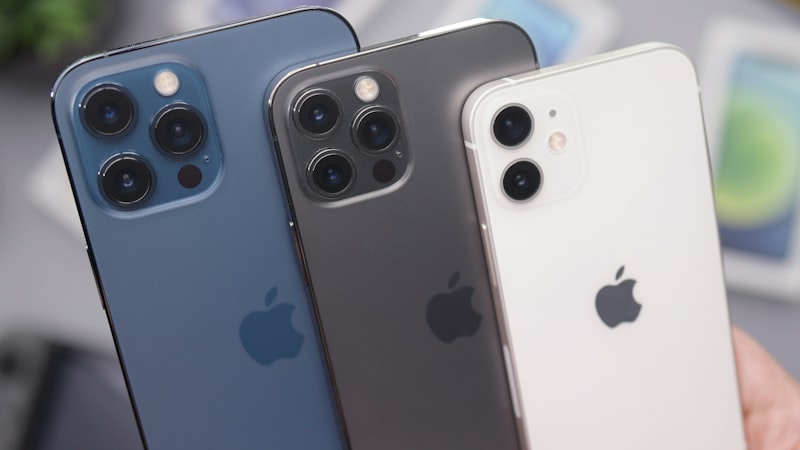
Display technology has become the primary differentiator in premium smartphones
Samsung had been shipping OLED smartphones since 2010, so Apple was far from first to the technology. But Apple's calibration approach was distinctly conservative. Where Samsung initially favoured vivid, oversaturated colours that caught the eye in retail displays, Apple tuned its OLED panels for accuracy, targeting precise DCI-P3 colour reproduction. Independent lab testing from DisplayMate repeatedly confirmed that each new iPhone OLED panel set records for colour accuracy upon release, a trend that continues to this day.
ProMotion and Always-On
The iPhone 13 Pro models in 2021 brought ProMotion to the iPhone for the first time, introducing a 120Hz adaptive refresh rate that had previously been exclusive to the iPad Pro. The display dynamically adjusts its refresh rate from as low as 10Hz to a maximum of 120Hz depending on the content being shown. Scrolling through a webpage or swiping between apps feels noticeably smoother, while a static screen can drop to 10Hz to conserve power. This adaptive range also enabled the always-on display feature introduced with the iPhone 14 Pro in 2022, allowing the lock screen to remain visible with time, widgets, and notifications rendered at 1Hz with minimal battery impact.
The iPhone 14 Pro also introduced Dynamic Island, a software-hardware integration that transformed the front-facing camera and sensor cutout into an interactive, animated element. While not a display technology in the strictest sense, Dynamic Island demonstrated how Apple uses the screen itself as a design language -- turning a hardware limitation into a distinctive interface feature. It expanded in the iPhone 15 generation to the entire lineup and has become a signature element of the modern iPhone experience.
How iPhone Displays Compare Today
As of early 2026, the iPhone 17 Pro series features Super Retina XDR panels that reach up to 2000 nits of peak outdoor brightness and support both Dolby Vision and HDR10. In independent testing, these displays consistently rank among the most colour-accurate in the industry, with Delta-E values below 1.0 -- a level of precision where deviations from reference are essentially invisible to the human eye. The 120Hz ProMotion refresh rate matches competing Android flagships from Samsung and Google, though some Android devices now offer 144Hz or even 165Hz panels targeted at mobile gaming.
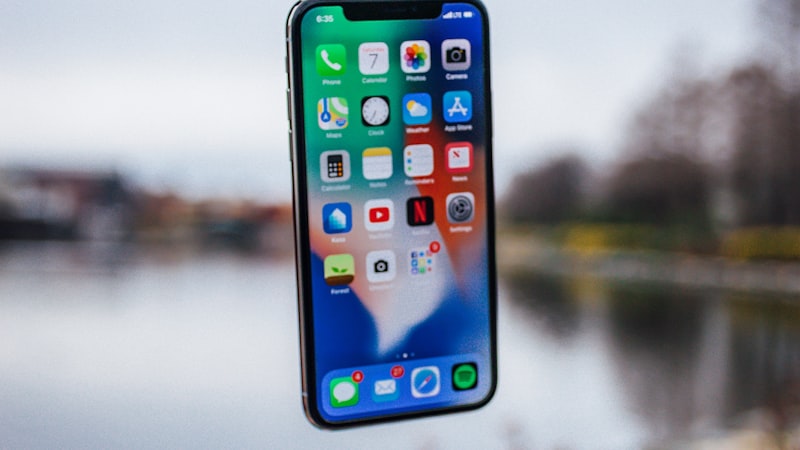
Every generation brings measurable leaps in colour accuracy and brightness
Where Apple continues to distinguish itself is in overall calibration and consistency. Samsung's Galaxy S series has closed the accuracy gap considerably in recent generations, and Google's Pixel displays have earned praise for their natural colour tuning. But Apple's tight control over both hardware and software allows it to maintain extremely consistent colour management across the entire operating system, which matters for professional workflows in photography and video editing where accurate on-screen previews are essential.
Recommended from our network
What Comes Next
The most widely reported development on the horizon is Apple's anticipated transition to micro-LED display technology. Unlike OLED, which relies on organic compounds that can degrade over time and are susceptible to burn-in, micro-LED uses inorganic gallium nitride LEDs that offer superior brightness, longer lifespan, and greater energy efficiency. Apple has invested heavily in micro-LED development for years, and supply chain reporting suggests the technology may first appear in a future Apple Watch before making its way to the iPhone. Manufacturing yields and cost remain significant hurdles, but the long-term direction appears clear.
Under-display sensor technology is another active area of development. Face ID components and the front-facing camera currently occupy space beneath Dynamic Island, but the long-term goal across the industry is to move all sensors beneath the display panel entirely, enabling a truly uninterrupted screen surface. Several Android manufacturers have shipped under-display cameras, though image quality has generally lagged behind conventional placements. Apple appears to be waiting until the technology meets its quality standards rather than rushing to market.
Foldable display technology remains a persistent topic of speculation. Samsung, Google, and several Chinese manufacturers have shipped foldable smartphones for several years, and supply chain analysts have repeatedly indicated that Apple has prototyped folding iPhone designs. Whether and when a foldable iPhone ships remains uncertain, but the existence of active development suggests Apple views flexible display technology as a meaningful part of the iPhone's future.
Why It Matters
Display technology has become the primary differentiator in premium smartphones
Display quality is not an abstract specification. It affects every interaction with the device. A more accurate screen means the photo you edit on your iPhone will look correct when printed or viewed on another calibrated monitor. Higher brightness means the screen remains legible in direct sunlight. A faster refresh rate makes the interface feel more responsive and reduces motion blur. And adaptive display technologies like always-on and True Tone reduce eye strain during extended use, which has real implications for accessibility and comfort.
From the original iPhone's modest LCD to today's ProMotion OLED panels, each generation of display technology has expanded what the iPhone can do and how it feels to use. The screen is still, as it was in 2007, the product. The technology behind it has simply grown to match the ambition.