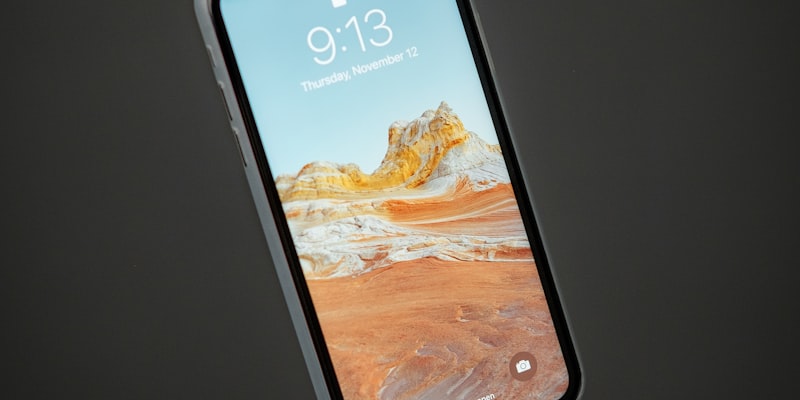
When Apple introduced the Always-On Display with the iPhone 14 Pro in September 2022, the reaction was split. Android users pointed out, correctly, that Samsung had shipped always-on screens since 2016. Apple users marveled at how different the implementation felt. Three and a half years later, with the feature now standard across the iPhone 16 lineup and expected to continue into the iPhone 17, it is worth examining what Apple actually did differently and why it matters for display technology going forward.
The LTPO Foundation
The Always-On Display is not simply a software trick. It depends on hardware capable of dropping its refresh rate to extremely low levels without visible artifacts. Apple's ProMotion displays use LTPO (low-temperature polycrystalline oxide) backplane technology, which allows the panel to dynamically adjust its refresh rate from 1Hz all the way up to 120Hz. At 1Hz, the display refreshes just once per second, consuming a fraction of the power it uses at full speed. This is what makes a persistent lock screen viable without destroying battery life.
Samsung had LTPO panels before Apple, but the implementation differed in important ways. Samsung's early always-on screens displayed limited information -- a clock, perhaps a notification icon -- on a dark background, with most of the panel's pixels turned completely off. Apple chose to render the entire lock screen wallpaper at reduced brightness, keeping the full visual composition intact. The phone looks like it is on, just dimmed. This required more pixels to remain active and more careful power management to keep battery impact within acceptable bounds.
What It Changed About Daily Use
The practical impact of an always-on display is subtle but cumulative. Before it existed, checking the time or glancing at notifications required either tapping the screen, raising the phone, or pressing the side button. Each of those actions is minor, but across a full day they add up to dozens of small interruptions in attention. An always-on screen eliminates all of them. The information is simply there, visible at a glance, the way a wristwatch or a wall clock has always been.
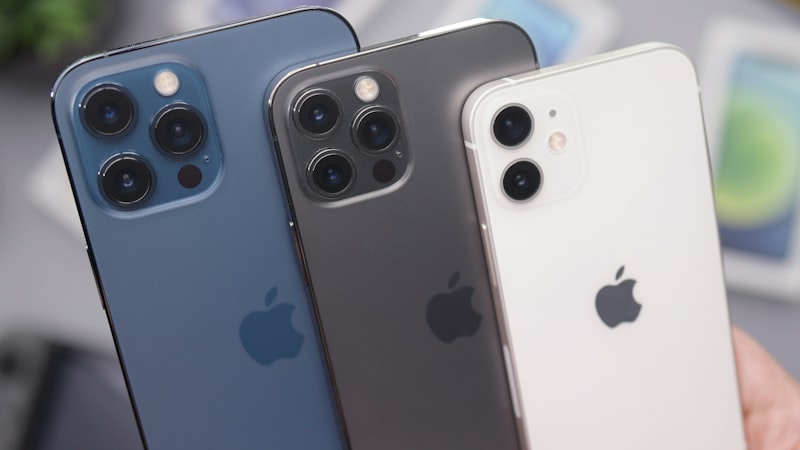
Display technology has become the primary differentiator in premium smartphones
This might seem trivial, but it changes the relationship between user and device. The phone becomes more like an ambient information surface and less like a sealed box that must be activated to reveal its contents. Notifications appear and sit quietly until noticed. Calendar widgets display the next appointment without requiring interaction. The weather is just visible. None of this is dramatic, but collectively it reduces the number of times per day you need to consciously engage with the device to extract basic information.
The Battery Equation
Early concerns about battery drain proved largely unfounded. Apple's implementation typically costs between 1 and 2 percent of battery per hour when the display is in its always-on state, which is comparable to having the phone in standby with the screen fully off on older models. The LTPO backplane's efficiency at 1Hz, combined with aggressive brightness reduction and a shift to a narrower colour gamut when dimmed, keeps power consumption low. Some users do disable the feature to eke out marginally longer battery life, but for most people the impact is negligible.
The power efficiency of LTPO at low refresh rates has implications beyond the always-on display. It demonstrates that modern OLED panels can maintain a visible image for extended periods at minimal energy cost, which opens the door for future use cases. Persistent widgets, ambient status indicators, or even a secondary low-power display mode for extended battery life during travel are all technically feasible with the same underlying hardware.
Looking Ahead: Foldables and Dual Screens
The always-on display takes on new significance in the context of foldable phones. A book-style foldable iPhone would have two screens: a cover display visible when the device is closed and a larger interior display accessible when opened. The cover displ
Display technology has become the primary differentiator in premium smartphones
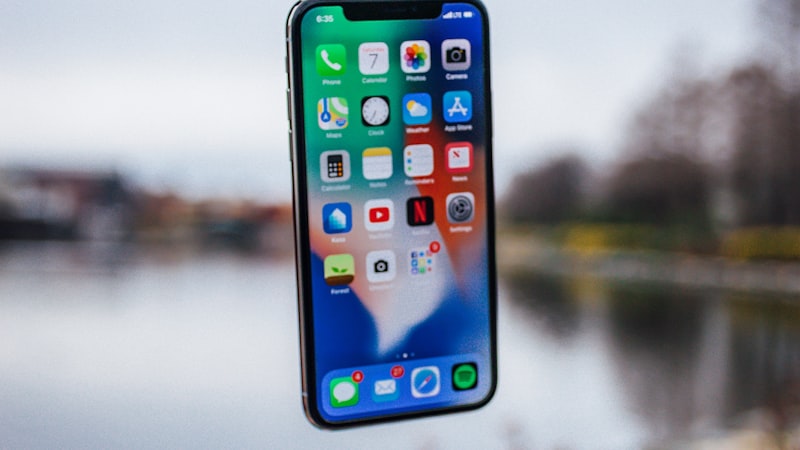
Every generation brings measurable leaps in colour accuracy and brightness
There is also the question of what happens to the inner display when the phone is open and the outer display is dormant, or vice versa. Managing power across two OLED panels, each capable of independent refresh rate control, will be a meaningful engineering challenge. But the core technology is proven. The Always-On Display was not just a feature -- it was infrastructure for whatever comes next.