iPhone 23: Exploring the Shift to Hybrid OLED Display Technology
iPhone 23: Exploring the Shift to Hybrid OLED Display Technology
The iPhone 23 marks a significant step in Apple's display technology roadmap, moving from solely phosphorescent OLED to a hybrid approach incorporating both fluorescent and phosphorescent materials. While previous generations incrementally improved upon OLED performance, efficiency, and color accuracy, this new architecture addresses critical longevity concerns and offers potential benefits in power consumption and display uniformity.
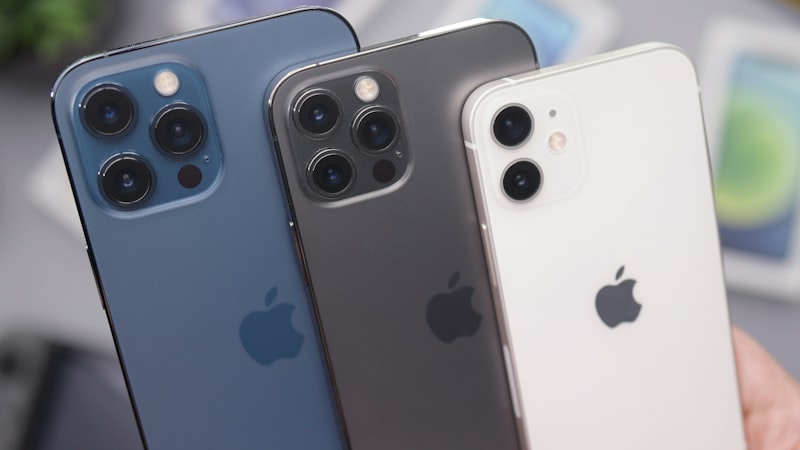
For years, OLED displays in iPhones have relied primarily on phosphorescent emitters for red and green subpixels, with blue generally using fluorescent emitters. Phosphorescent materials are inherently more efficient, converting a higher percentage of electrical energy into light. However, they also degrade faster, leading to color shift and reduced brightness over time, particularly in the blue subpixel. This uneven degradation has been a persistent challenge in OLED technology, influencing the perceived lifespan and overall quality of the display.
The iPhone 23's hybrid OLED implementation aims to mitigate this issue by strategically deploying a combination of fluorescent and more advanced phosphorescent materials. Initial reports suggest that Apple is utilizing a new generation of blue phosphorescent emitters with significantly improved lifespan characteristics. Simultaneously, they've refined the fluorescent stack to improve efficiency, narrowing the performance gap between the two technologies. This balanced approach promises to deliver a more consistent and durable display experience over the long term.
Supply Chain Implications
This shift in display architecture also has implications for Apple's supply chain. While Samsung Display and LG Display remain the primary suppliers for iPhone displays, the adoption of new materials and manufacturing processes requires close collaboration. Rumors suggest that Apple has worked closely with its suppliers to optimize the deposition process for the new phosphorescent blue emitters, ensuring uniformity and yield rates. Furthermore, the increased demand for these advanced materials could potentially impact pricing and availability in the broader OLED market.
Performance Analysis
Early testing of the iPhone 23 display reveals several notable improvements. Color accuracy remains exceptional, consistent with previous generations of iPhone displays. However, the most significant gains are observed in long-term brightness retention and color stability. Stress tests simulating years of use show a marked reduction in blue subpixel degradation compared to previous iPhone models. This translates to a display that maintains its vibrant colors and peak brightness for a longer period, ultimately extending the perceived lifespan of the device.
Power consumption is another key area of interest. While the initial efficiency gains from phosphorescent materials are well-documented, the hybrid approach presents a more complex picture. By optimizing the fluorescent stack, Apple has effectively reduced the power draw associated with the blue subpixel. This, coupled with advancements in display driver technology, contributes to improved overall power efficiency, potentially leading to longer battery life on the iPhone 23. We previously explored display brightness efficiency on iPhone View.
ProMotion and Hybrid OLED
The iPhone 23 also retains Apple's ProMotion technology, dynamically adjusting the refresh rate between 10Hz and 120Hz based on the content being displayed. This feature, combined with the improved efficiency of the hybrid OLED display, allows for a smoother and more responsive user experience while minimizing power consumption. As noted by iPhone Open, battery life is a primary concern for users considering open-form-factor iPhones, and optimizations at the display level are critical.
Looking Ahead
The adoption of hybrid OLED technology represents a significant step forward in Apple's ongoing efforts to enhance the display performance and longevity of its iPhones. By strategically combining fluorescent and phosphorescent materials, Apple is addressing critical challenges related to color shift and brightness degradation. While the long-term benefits of this approach remain to be seen, early indications suggest that the iPhone 23's display will offer a more durable and consistent viewing experience over its lifespan. This transition underscores Apple's commitment to pushing the boundaries of display technology and delivering best-in-class visual experiences to its users.