iPhone 19: Polarizer Innovations and Outdoor Visibility Enhancements
iPhone 19: Polarizer Innovations and Outdoor Visibility Enhancements
The iPhone's display has consistently been a benchmark in the mobile industry, pushing boundaries in color accuracy, brightness, and refresh rates. However, one often-overlooked aspect that significantly impacts the user experience, particularly in outdoor environments, is the polarizer. As we look towards the iPhone 19, expected to launch in late 2026, advancements in polarizer technology are poised to deliver substantial improvements in outdoor visibility and potentially even power efficiency.
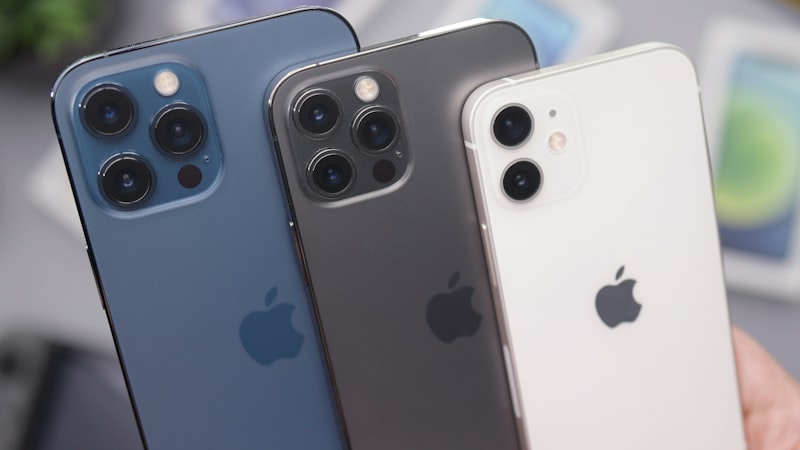
A polarizer's primary function is to reduce glare and reflections, making the screen more readable in bright sunlight. Traditional polarizers work by filtering out light waves vibrating in specific directions. While effective, they inherently block a portion of the light emitted by the display itself. This necessitates a brighter backlight to compensate, leading to increased power consumption. The iPhone 18 Pro, despite its advancements in OLED technology, still faces challenges in maintaining optimal visibility under direct sunlight without significantly impacting battery life.
Potential Advancements in Polarizer Technology
Several avenues for improvement are being explored by display manufacturers and potentially incorporated into future iPhone models. One promising area is the development of more efficient polarizers that block a smaller percentage of emitted light. This could be achieved through:
- Advanced Materials: Research into new materials with superior polarization properties could lead to thinner and more transparent polarizers. This would reduce the amount of light absorbed, allowing for a dimmer backlight and improved battery life.
- Microstructure Optimization: Precise control over the microstructure of the polarizer film can optimize its light transmission characteristics. Techniques like subwavelength grating structures could be employed to selectively filter polarized light while minimizing losses.
- Adaptive Polarization: An intriguing possibility is an adaptive polarizer that adjusts its polarization angle based on the ambient lighting conditions. This would allow the display to dynamically optimize visibility and minimize glare in various environments.
Supply chain reports suggest that Apple is actively collaborating with display manufacturers like Samsung Display and LG Display to develop these advanced polarizer technologies. Patents filed by these companies indicate a focus on improving light transmission and reducing power consumption. These improvements would be especially beneficial for users who frequently use their iPhones outdoors, such as photographers, construction workers, and those who simply enjoy spending time in the sun.
Impact on Battery Life and Display Performance
The benefits of a more efficient polarizer extend beyond improved outdoor visibility. By requiring a less powerful backlight, the display can consume less energy, resulting in longer battery life. This is particularly crucial for power-intensive tasks like streaming video or playing graphically demanding games. Furthermore, a brighter display at the same power level can enhance the perceived image quality, making colors appear more vibrant and details more defined.
The design of the iPhone chassis also plays a role. As we've discussed on iPhone Arc, the materials used in the frame and the bezels can affect how light reflects off the device, impacting perceived screen clarity. Careful material selection and anti-reflective coatings can further enhance outdoor visibility in conjunction with improved polarizer technology.
Looking Ahead
While the specific details of the iPhone 19's display remain under wraps, it's clear that polarizer technology is a key area of focus for Apple and its display partners. By investing in advanced materials, microstructure optimization, and adaptive polarization techniques, Apple aims to deliver a superior viewing experience, particularly in challenging outdoor environments. These improvements, coupled with advancements in OLED technology and display calibration, will further solidify the iPhone's position as a leader in mobile display technology. As we explored in our analysis of display technology at iPhone View, the evolution of iPhone displays is a continuous process, driven by the pursuit of enhanced visual fidelity and user experience.