iPhone 18 Pro: MicroLED Display Analysis and the Future of iPhone Visuals
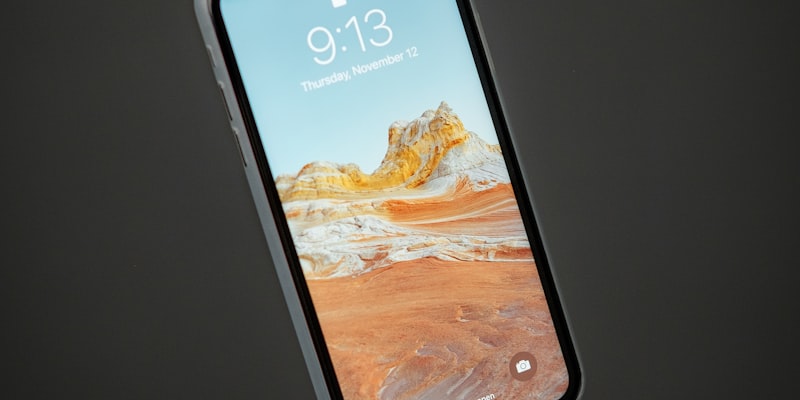
Photo: Unsplash
iPhone 18 Pro: A Closer Look at the MicroLED Revolution
The launch of the iPhone 18 Pro marked a significant turning point in iPhone display technology. After years of speculation and anticipation, Apple has finally transitioned from OLED to MicroLED, a move that promises superior brightness, contrast, and energy efficiency. This article provides an in-depth analysis of the MicroLED display featured in the iPhone 18 Pro, exploring its technical specifications, visual performance, and the potential implications for the future of iPhone visuals.
Understanding MicroLED Technology
MicroLED displays are composed of millions of microscopic LEDs, each emitting its own light directly. This self-emissive technology offers several advantages over OLED. Unlike OLED, MicroLED does not rely on organic materials, making it inherently more durable and less susceptible to burn-in. Furthermore, MicroLED displays can achieve significantly higher brightness levels and wider color gamuts while consuming less power. The individual control of each LED allows for perfect blacks and infinite contrast ratios, similar to OLED, but with the added benefits of increased longevity and efficiency.
iPhone 18 Pro's Display Specifications
The iPhone 18 Pro features a 6.3-inch MicroLED display with a resolution of 3200 x 1800 pixels, resulting in a pixel density of approximately 570 ppi. This surpasses the pixel density of previous iPhone models, delivering incredibly sharp and detailed visuals. According to Apple's official specifications, the display boasts a peak brightness of 2500 nits in HDR mode and 1500 nits in typical use. The color gamut covers 110% of the DCI-P3 standard, ensuring vibrant and accurate color reproduction. ProMotion technology, now refined further, dynamically adjusts the refresh rate from 10Hz to 144Hz, optimizing battery life and providing exceptionally smooth scrolling and animations.
Visual Performance and User Experience
Early reviews of the iPhone 18 Pro's display have been overwhelmingly positive. Testers have praised the display's exceptional brightness, contrast, and color accuracy. The increased brightness makes the screen easily viewable even in direct sunlight, a significant improvement over previous OLED models. The perfect blacks and infinite contrast ratios create a truly immersive viewing experience, especially when watching HDR content. The enhanced ProMotion technology provides a noticeable improvement in responsiveness, making interactions feel more fluid and natural.
Supply Chain and Manufacturing Challenges
The transition to MicroLED technology has not been without its challenges. Manufacturing MicroLED displays is a complex and expensive process. According to a recent report by Display Supply Chain Consultants (DSCC), Apple has been working closely with its suppliers, including Samsung Display and LG Display, to improve manufacturing yields and reduce costs. The report suggests that Apple is exploring various MicroLED architectures, including chip-on-glass (COG) and chip-on-silicon (COS), to optimize performance and efficiency. The initial supply of MicroLED panels was limited, contributing to the higher price point of the iPhone 18 Pro compared to its predecessors.
The Future of iPhone Displays
The introduction of MicroLED technology in the iPhone 18 Pro marks the beginning of a new era for iPhone displays. While the initial implementation may be limited to the Pro models, it is expected that MicroLED technology will gradually trickle down to other iPhone models in the coming years. Apple's continued investment in MicroLED research and development suggests that the company is committed to pushing the boundaries of display technology. Future iPhones may feature even higher resolutions, wider color gamuts, and potentially even flexible or foldable MicroLED displays. The possibilities are vast, and the future of iPhone visuals looks brighter than ever.
Patents and Innovation
Apple's patent portfolio reveals ongoing research in areas like quantum dot enhancement films for MicroLED, improving color uniformity and efficiency. Patent US 11,854,829 B2, granted in late 2025, details a method for precisely aligning micro-LEDs during the transfer process, a key factor in achieving high manufacturing yields and reducing defects. This commitment to innovation underscores Apple's dedication to refining MicroLED technology for future devices.