Balancing Performance and Endurance: Optimizing ProMotion for iPhone Battery Life
Since its introduction, Apple's ProMotion technology has redefined the visual fluidity and responsiveness of the iPhone display. Offering adaptive refresh rates up to 120Hz, it delivers an incredibly smooth experience for everything from scrolling through web pages to navigating complex applications and gaming. However, this premium visual performance inevitably raises questions about its impact on battery life. For users seeking to maximize their iPhone's endurance, understanding how ProMotion functions and how to optimize its settings is crucial.
Editor's pick: iPhone screen protectors on Amazon → As an Amazon Associate, this site earns from qualifying purchases.
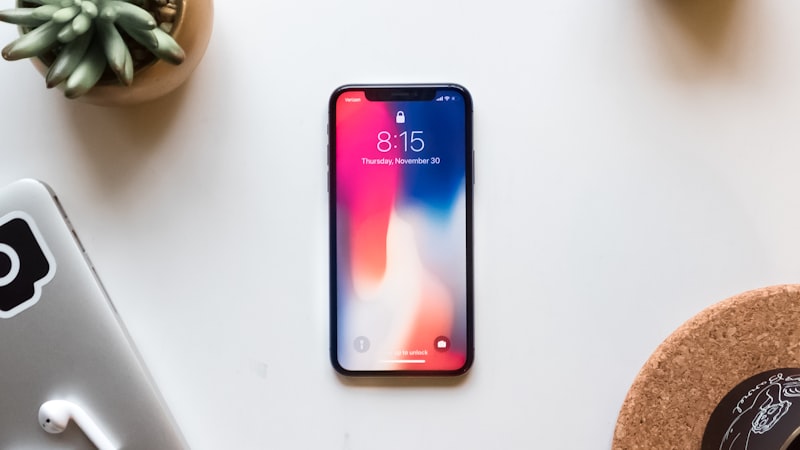
Understanding ProMotion and Its Adaptive Nature
At its core, ProMotion is a variable refresh rate technology. Unlike traditional displays that operate at a fixed refresh rate (typically 60Hz), ProMotion can dynamically adjust how many times the screen updates per second. This range typically spans from a low of 10Hz for static content, such as reading an article or viewing a photo, up to a blistering 120Hz for fast-moving graphics, animations, and fluid interactions like swiping through the home screen.
This adaptive capability is designed to be efficient. When displaying static content, the display refreshes less frequently, conserving power. When rapid motion is detected, it ramps up to 120Hz, eliminating motion blur and creating a noticeably smoother visual. The iPhone's operating system and integrated display controller intelligently manage these transitions, aiming to provide the best of both worlds: peak performance when needed and power efficiency when possible.
For a broader understanding of how refresh rates enhance the user experience, you can revisit our comprehensive guide on iPhone display refresh rates and ProMotion at iPhone View.
The ProMotion Battery Equation: Where Power is Gained and Lost
While ProMotion's adaptive nature aims for efficiency, the potential for higher refresh rates inherently introduces a trade-off. Running the display at 120Hz requires more power than at 60Hz or lower. This means:
- Power Savings: When your iPhone is idle, displaying a static image, or showing content that doesn't require constant updates, ProMotion intelligently drops the refresh rate, sometimes as low as 10Hz. This is where significant battery savings occur compared to a non-ProMotion display fixed at 60Hz.
- Increased Power Consumption: Conversely, any activity that triggers the 120Hz refresh rate – rapid scrolling, playing graphically intensive games, or navigating through iOS with its fluid animations – will draw more power. The smoother experience comes at the cost of higher energy expenditure in those moments.
Therefore, the overall impact of ProMotion on your iPhone's battery life is highly dependent on your personal usage patterns. A user who spends hours gaming or constantly scrolling through social media feeds will likely see a more noticeable battery drain compared to someone who primarily reads articles or views static content.
Practical Optimization Strategies for Battery Endurance
Fortunately, iPhone users have several options to fine-tune ProMotion's behavior and strike a better balance between visual fluidity and battery longevity:
1. Utilize Low Power Mode
The most straightforward way to manage ProMotion's power draw is by enabling Low Power Mode. When activated, Low Power Mode automatically caps the display's refresh rate to 60Hz. This effectively disables the 120Hz capability, ensuring that even during intense activities, your screen won't draw the extra power associated with higher refresh rates. While the visual difference might be noticeable to some, many users find the 60Hz experience perfectly acceptable, especially when prioritizing battery life for extended periods.
2. Limit Frame Rate via Accessibility Settings
For users who want more granular control without activating Low Power Mode, iOS offers an Accessibility setting to limit the display's frame rate. Navigate to Settings > Accessibility > Motion > Limit Frame Rate. Toggling this option will cap the maximum refresh rate of your display at 60 frames per second. This provides a consistent 60Hz experience across the board, similar to Low Power Mode's effect on ProMotion, but without impacting other system functions that Low Power Mode adjusts.
3. Be Mindful of App Usage and Settings
- High-Refresh Rate Apps: Certain apps, particularly games, are designed to take full advantage of 120Hz. If battery life is a concern, consider reducing your usage of these apps or checking if they offer internal settings to limit frame rates.
- Background App Refresh: While not directly tied to ProMotion, reducing background app refresh can indirectly help. Fewer apps refreshing in the background means less potential for animation or content updates that might trigger higher refresh rates.
- Reduce Motion: Found under
Settings > Accessibility > Motion, enabling 'Reduce Motion' simplifies UI animations, which can sometimes lead to less frequent spikes to 120Hz, though its primary benefit is for users sensitive to motion effects.
Finding Your Ideal Balance
Ultimately, optimizing ProMotion for battery life is about finding a personal balance. The immersive smoothness of 120Hz is a significant enhancement to the iPhone experience, and many users wouldn't trade it for anything. However, when faced with a long day away from a charger or when every percentage point of battery matters, leveraging options like Low Power Mode or the 'Limit Frame Rate' setting provides effective ways to extend your device's endurance.
By understanding how ProMotion dynamically adapts and applying these practical optimization strategies, you can take control of your iPhone's display performance and battery consumption, ensuring a premium experience without unnecessary power drain.