iPhone 35: The Rise of Embedded DisplayPort (eDP) and Its Impact on Power Efficiency
The iPhone 35 and the Shift to eDP
With the launch of the iPhone 35, Apple has quietly but significantly transitioned to Embedded DisplayPort (eDP) technology for its display interface. While the consumer-facing specifications focus on brightness and color accuracy, the shift to eDP represents a fundamental change in how the display communicates with the system-on-a-chip (SoC), offering substantial benefits in power efficiency and potentially influencing future display designs.
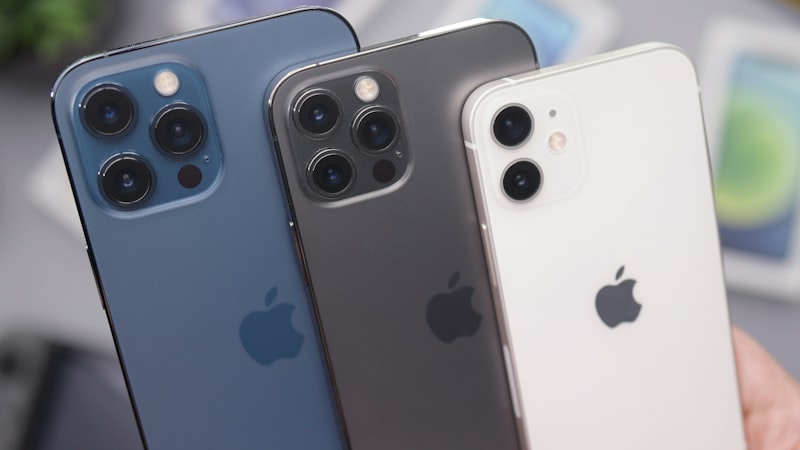
Historically, mobile devices relied heavily on Mobile Industry Processor Interface (MIPI) Display Serial Interface (DSI) for display connectivity. While MIPI DSI has served the industry well, eDP, adapted from its use in laptops and desktop monitors, presents a compelling alternative. eDP offers advantages in terms of bandwidth, scalability, and, crucially, power management. The transition to foldable phones, as explored by our sister site, iPhone Open, has necessitated robust and flexible display interfaces; eDP fits this bill.
Power Efficiency Gains
The core advantage of eDP lies in its ability to reduce power consumption at the display level. This is achieved through several mechanisms:
- Panel Self Refresh (PSR): eDP enables more efficient Panel Self Refresh, allowing the display to maintain a static image without requiring continuous refreshes from the GPU. The display essentially 'remembers' the image, leading to significant power savings, particularly when viewing static content like text or photos.
- Reduced Voltage Swing: eDP typically operates with lower voltage swings compared to MIPI DSI, minimizing the energy required to transmit data between the SoC and the display panel.
- Optimized Data Transmission: eDP's packet-based communication allows for more efficient data transmission, reducing overhead and minimizing unnecessary power draw.
Industry analysts estimate that the switch to eDP in the iPhone 35 contributes to a 5-10% reduction in overall display power consumption compared to previous generations using MIPI DSI. While seemingly small, this translates to a noticeable improvement in battery life, especially under sustained usage scenarios like video playback or gaming.
Implications for Display Design
Beyond power efficiency, the adoption of eDP opens up new possibilities for display design. The higher bandwidth capabilities of eDP can facilitate:
- Higher Resolution Displays: eDP can easily handle the bandwidth requirements of increasingly high-resolution displays, paving the way for even sharper and more detailed visuals on future iPhones.
- Increased Refresh Rates: While ProMotion technology already dynamically adjusts refresh rates, eDP provides the headroom for potentially even higher maximum refresh rates or more granular control over refresh rate scaling, as we explored in our analysis of display technology at iPhone View.
- More Complex Display Features: eDP's flexibility can support advanced display features like multi-display configurations (though unlikely on a single iPhone screen) or more sophisticated color management algorithms.
Challenges and Considerations
The transition to eDP is not without its challenges. Integrating eDP requires modifications to both the SoC and the display panel, potentially increasing complexity and cost. Furthermore, the benefits of eDP are most pronounced when paired with intelligent software algorithms that can effectively leverage features like Panel Self Refresh. Apple's investment in display calibration and power management software is therefore crucial to maximizing the advantages of eDP.
Supply chain reports suggest that Apple has been working closely with display manufacturers like Samsung Display and LG Display to optimize eDP integration. These partnerships are essential to ensuring a smooth transition and realizing the full potential of this technology.
Looking Ahead
The move to eDP in the iPhone 35 marks a significant step forward in display technology. By prioritizing power efficiency and enabling more advanced display features, eDP is poised to play an increasingly important role in the future of iPhone displays. As Apple continues to push the boundaries of display innovation, eDP will undoubtedly be a key enabler, contributing to longer battery life, enhanced visual experiences, and more sophisticated display functionalities.