iPhone 34's Adaptive Color Temperature: Beyond True Tone
The Next Generation of Color Accuracy
Apple introduced True Tone on iPhones several years ago, offering automatic white balance adjustments based on ambient lighting conditions. While effective, it primarily addressed color temperature along a single axis – blue to yellow. The iPhone 34 takes this concept significantly further with an advanced adaptive color temperature system, leveraging new sensor technology and sophisticated algorithms to create a more nuanced and accurate display experience.
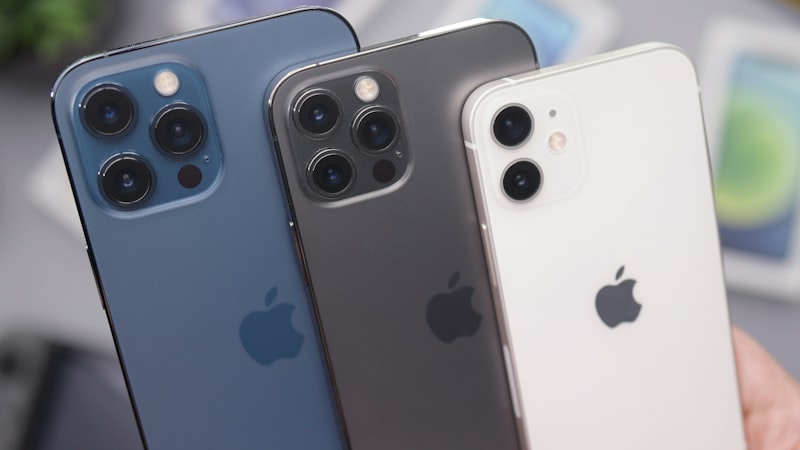
Instead of relying solely on a single ambient light sensor, the iPhone 34 incorporates a multispectral sensor array. This array measures the intensity of light across a wider range of wavelengths, enabling the device to more accurately determine the spectral power distribution of the ambient light. This is crucial because real-world lighting is rarely a simple mix of blue and yellow; it often contains significant amounts of green, red, and even subtle variations that impact color perception. As we explored in our analysis of display technology at iPhone View, precise spectral power distribution control is vital for creating displays that appear natural under varying lighting conditions.
Beyond Blue-Yellow: A Wider Gamut of Adjustment
This enhanced sensor data feeds into a new color management engine within iOS. This engine not only adjusts the white point (color temperature) but also subtly modulates the individual red, green, and blue subpixel intensities. This allows the iPhone 34 to compensate for metameric failures, situations where two colors appear identical under one light source but different under another. By actively managing the subpixel intensities, the display can maintain color accuracy even when viewing content created under different lighting standards.
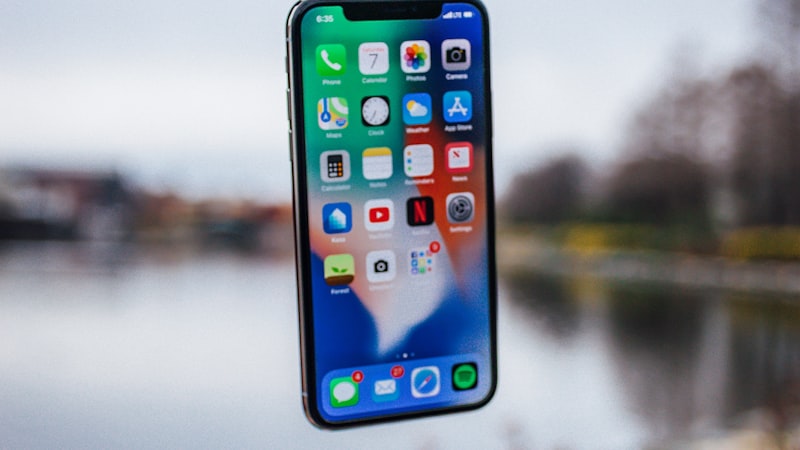
Industry analysts suggest that Apple partnered with ams-Osram for the development of this advanced multispectral sensor. Reports indicate that the sensor features increased sensitivity and a wider dynamic range compared to previous generations, allowing it to function effectively in both bright sunlight and dimly lit environments. The computational power required to process this data is handled by the A20 Bionic chip's improved Neural Engine, allowing for real-time adjustments without noticeable performance impact.
Real-World Implications and User Experience
The benefits of this advanced adaptive color temperature system are most noticeable when viewing photos and videos. Colors appear more consistent and accurate across different lighting conditions, reducing the need for manual adjustments. For example, a photo taken indoors under warm incandescent lighting will retain its intended color balance when viewed outdoors under cooler daylight. This consistency enhances the overall viewing experience and allows for more accurate color grading when editing photos and videos on the device.
However, this technology isn't without its limitations. In extremely unusual or highly saturated lighting conditions, the system may struggle to accurately compensate for the ambient light. Furthermore, some users may find the constant adjustments distracting, although Apple provides an option to disable the feature in settings. The long-term impact on OLED lifespan also remains to be seen, as the subtle subpixel modulation could potentially contribute to uneven aging over time. Apple's extensive burn-in mitigation techniques, previously discussed on iPhone View, are likely playing a crucial role in preventing this.
Future Developments
Looking ahead, Apple is likely to further refine this adaptive color temperature system. Future iterations could incorporate AI-powered learning to personalize the adjustments based on individual user preferences and viewing habits. Additionally, integration with augmented reality applications could enable more seamless blending of virtual and real-world elements. The iPhone Open team is closely watching developments in foldable display technology, and these adaptive color temperature capabilities could be especially important in maintaining a consistent visual experience across different screen configurations.
The iPhone 34's advanced adaptive color temperature system represents a significant step forward in display technology, offering a more natural and accurate viewing experience that goes beyond the capabilities of previous generations.