iPhone 33: Optimizing OLED Burn-In Mitigation Through Advanced Temperature Management
iPhone 33: Optimizing OLED Burn-In Mitigation Through Advanced Temperature Management
OLED displays, renowned for their vibrant colors and exceptional contrast, remain susceptible to burn-in, a phenomenon where prolonged static elements leave a permanent ghost image on the screen. While Apple has implemented various strategies to mitigate burn-in risk over the years, the iPhone 33 introduces further advancements in temperature management and algorithmic adjustments to prolong display lifespan.
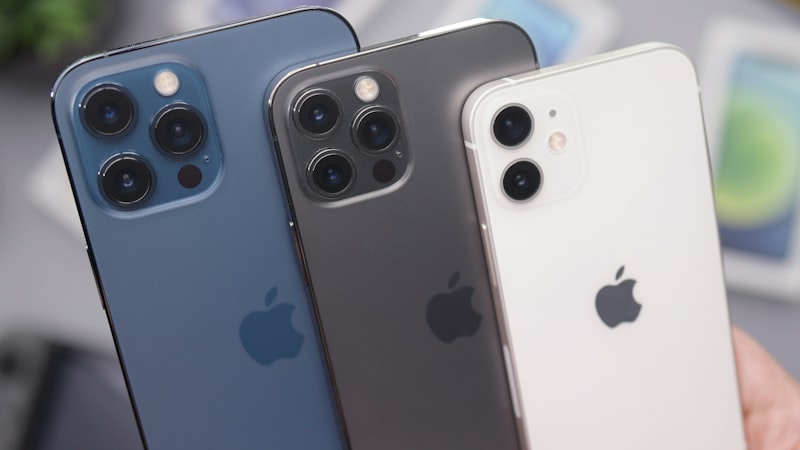
Previous generations of iPhones have employed pixel shift, brightness limiting, and content-aware refresh rate adjustments to combat burn-in. However, these techniques often come with compromises, such as reduced peak brightness or subtle visual artifacts. The iPhone 33 takes a more holistic approach, focusing on maintaining optimal display temperature as a key factor in slowing down OLED degradation.
Advanced Thermal Design
The iPhone 33 incorporates an improved thermal design, featuring a more efficient heat dissipation system. Supply chain reports indicate a shift towards a thinner vapor chamber, strategically positioned to draw heat away from the display panel. This allows for sustained peak brightness levels without exacerbating burn-in risk, particularly during demanding tasks such as gaming or video playback. Furthermore, sensor data from internal temperature probes is utilized to dynamically adjust display parameters, such as brightness and contrast, in real-time.
Algorithmic Burn-In Compensation
Beyond hardware improvements, the iPhone 33 leverages advanced algorithms to predict and compensate for potential burn-in. These algorithms analyze usage patterns, identify frequently displayed static elements (e.g., status bar icons, on-screen controls), and dynamically adjust the brightness and color output of individual pixels to maintain uniformity. This is a significant step beyond simple pixel shifting, offering a more nuanced and effective approach to burn-in mitigation.
Perceptual Uniformity and Color Accuracy
Maintaining perceptual uniformity and color accuracy is crucial when implementing burn-in compensation algorithms. Apple's expertise in integrated color management, as we explored in our analysis of display technology at iPhone View, plays a vital role in ensuring that these adjustments are imperceptible to the user and do not compromise the overall visual experience. The iPhone 33 likely utilizes a sophisticated calibration process that accounts for both initial display characteristics and potential long-term degradation.
Looking Ahead
While the iPhone 33 represents a significant step forward in OLED burn-in mitigation, the underlying challenge remains. As display technology continues to evolve, with potential shifts towards MicroLED and other advanced technologies, the focus on longevity and reliability will only intensify. The advancements in thermal management and algorithmic compensation introduced in the iPhone 33 provide a valuable foundation for future iterations of iPhone displays. The ongoing evolution of iPhone industrial design, covered extensively by iPhone Arc, also plays a crucial role in effective heat dissipation, influencing the overall thermal performance of the device.
Ultimately, Apple's commitment to refining OLED technology and developing innovative burn-in mitigation strategies ensures that iPhone users can continue to enjoy the benefits of vibrant and high-contrast displays for years to come.